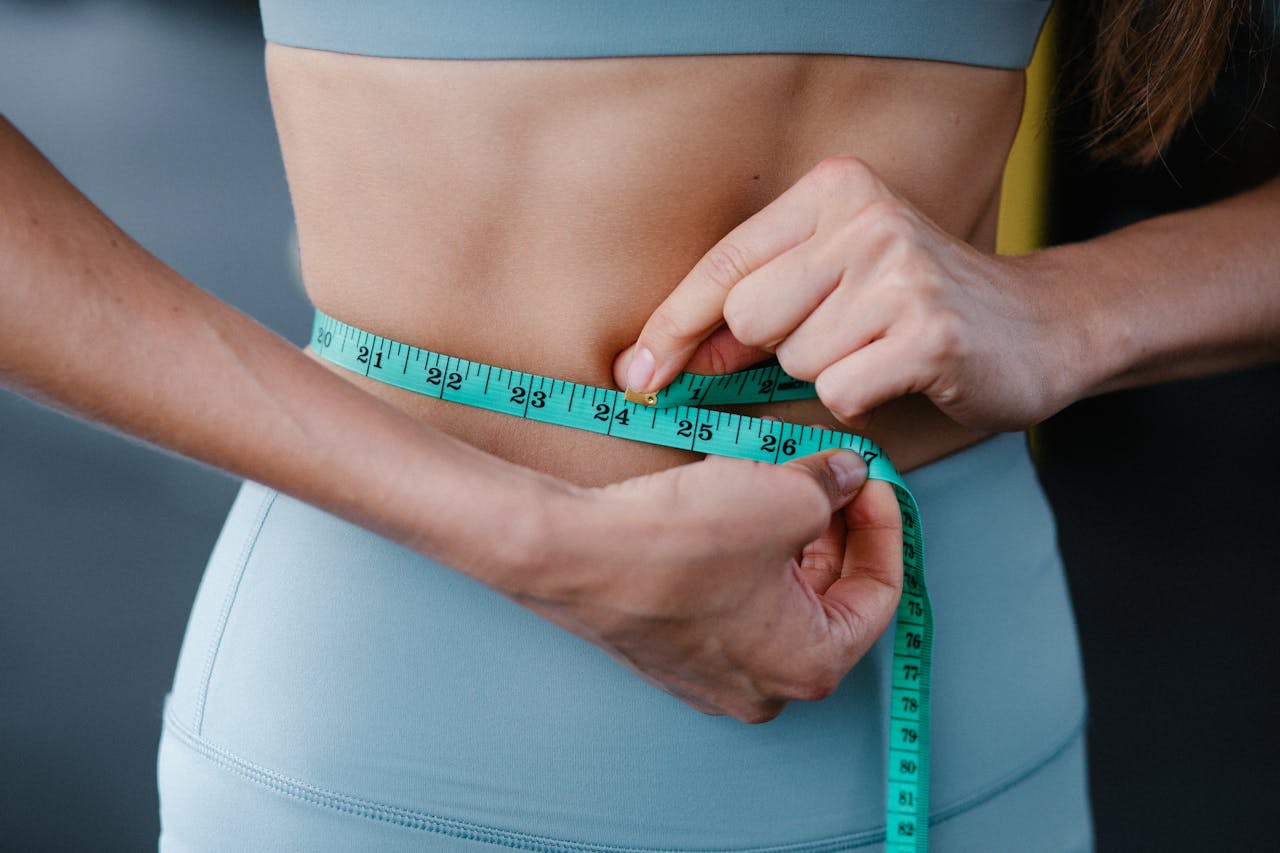
Losing weight is not about extreme dieting or starving yourself. It is about building healthy habits, eating the right foods, and following a balanced lifestyle that supports long-term results. With the right approach, weight loss can be simple, sustainable, and stress-free.
In this guide, you’ll learn how weight loss works, what foods to eat, what to avoid, and a practical diet plan that supports healthy and natural weight loss.
Understanding Healthy Weight Loss
Healthy weight loss means reducing body fat while maintaining muscle and energy levels. Crash diets may show quick results, but they often lead to weakness, nutrient deficiencies, and weight gain in the long run.
A sustainable weight loss plan focuses on:
- Balanced nutrition
- Portion control
- Regular physical activity
- Consistency over perfection
How Diet Plays a Key Role in Weight Loss
Diet contributes nearly 70% of weight loss results. Eating the right foods at the right time helps improve metabolism, control hunger, and reduce fat storage.
Instead of eliminating food groups, focus on:
- Whole foods
- High-protein meals
- Fiber-rich vegetables
- Healthy fats in moderation
Best Foods for Weight Loss
1. High-Protein Foods
Protein helps you feel full for longer and reduces unnecessary snacking.
- Eggs
- Paneer
- Greek yogurt
- Lentils and beans
- Chicken and fish
2. Fiber-Rich Foods
Fiber improves digestion and controls appetite.
- Vegetables (broccoli, carrots, spinach)
- Fruits (apple, papaya, berries)
- Whole grains (oats, brown rice)
3. Healthy Fats (In Moderation)
Healthy fats support hormone balance and reduce cravings.
- Nuts and seeds
- Olive oil
- Avocado
Foods to Avoid During Weight Loss
To achieve consistent weight loss, limit these foods:
- Sugary drinks and sodas
- Fried and fast foods
- Refined carbohydrates (white bread, pastries)
- Excess sweets and desserts
- Packaged and processed snacks
Avoiding these foods doesn’t mean never eating them — moderation is the key.
Simple and Effective Weight Loss Diet Plan
Morning (Empty Stomach)
- Warm water with lemon
- Optional: soaked almonds (5–6)
Breakfast
- Vegetable omelette / oats with fruits
- 1 cup green tea or black coffee (no sugar)
Mid-Morning Snack
- 1 fruit (apple, orange, or papaya)
Lunch
- Brown rice or roti (controlled portion)
- Dal or grilled chicken/fish
- Large portion of vegetables or salad
Evening Snack
- Green tea or herbal tea
- Roasted nuts or boiled corn
Dinner (Light and Early)
- Soup with vegetables
- Paneer or grilled protein
- Avoid heavy carbs at night
Before Bed (Optional)
- Warm water or herbal tea
Importance of Portion Control
Even healthy foods can cause weight gain if portions are too large. Use smaller plates, eat slowly, and stop eating when you feel 80% full. Listening to your body is more effective than counting calories every day.
Exercise and Lifestyle Tips for Weight Loss
Diet alone is not enough. Combining diet with simple lifestyle habits gives better results.
Daily Habits That Help:
- Walk at least 30 minutes daily
- Get 7–8 hours of quality sleep
- Reduce stress through meditation or deep breathing
- Avoid late-night eating
You don’t need intense workouts — consistency matters more than intensity.
Common Weight Loss Mistakes to Avoid
- Skipping meals
- Following extreme diets
- Expecting instant results
- Ignoring sleep and stress
- Comparing progress with others
Weight loss is a personal journey. Focus on your progress, not perfection.
How Long Does Healthy Weight Loss Take?
Healthy weight loss is gradual. On average:
- 0.5–1 kg per week is safe
- Visible results appear in 3–4 weeks
- Long-term results take consistency over months
Slow progress is better than quick failure.
Frequently Asked Questions About Weight Loss
Is dieting necessary for weight loss?
Yes, but dieting doesn’t mean starving. A balanced diet is essential for healthy weight loss.
Can I lose weight without exercise?
Yes, but combining diet with physical activity improves results and overall health.
Should I completely avoid carbs?
No. Choose complex carbs in controlled portions instead of refined carbs.
Final Thoughts
Weight loss is not about strict rules or punishment. It is about choosing healthier foods, being active, and staying consistent. With a balanced diet and a simple lifestyle approach, you can achieve sustainable weight loss and maintain it for life.
Start small, stay patient, and focus on long-term health rather than quick fixes.